What items are banned from roll-off dumpsters?
Hazardous waste tops the list: old paint cans, solvents, pesticides, herbicides and pool chemicals. These need a household hazardous waste drop-off, not a dumpster. Car batteries, motor oil and antifreeze count too, along with anything pressurized like propane tanks or refrigerant-holding appliances. Tires get rejected almost everywhere because most landfills charge separate fees or ban them outright. Electronics with circuit boards, monitors and TVs often fall under the same restriction, since they carry lead and mercury. If your job involves stripping paint or spraying herbicide, remember that OSHA 1926.51(f)(1) requires washing facilities for crews handling those materials, which is worth planning alongside your roll-off dumpster rental. Asbestos siding, insulation and popcorn ceiling material need a licensed abatement contractor, full stop. Medical waste, ammunition and anything radioactive are automatic no's. Check the what cannot go in a dumpster list with your driver before loading starts, because a banned item found mid-haul can stall the whole pickup for your construction dumpster rental job.
Why do dumpster companies restrict these materials?
Landfills in Texas are regulated, and a container carrying banned material can get an entire load rejected at the gate. That costs time and money on a project already running on a schedule. Weight matters too. A load loaded with concrete, dirt or shingles past the rated limit risks the truck and the driveway, so check dumpster weight limits before you fill past halfway. Liquids are a separate problem: wet paint, sludge or standing water add dead weight and can leak through container seams during transport. OSHA 1926.252 covers safe disposal of waste materials including chute and enclosure use on active sites, and it's part of why dumpster vendors keep a strict banned list. A single mattress or appliance with refrigerant can trigger a rejected pickup too, so ask before tossing anything electrical or foam-filled. For jobs near Bryan, roughly 11.0 miles northwest of College Station, or projects out toward Snook, 15.9 miles southwest, the same rules apply regardless of address.
What size dumpster handles construction debris without banned items?
| unit | duration | typical price |
|---|---|---|
| 10 yard | day | see 10 yard dumpster rental |
| 20 yard | day | see 20 yard dumpster rental |
| 30 yard | day | see 30 yard dumpster rental |
| 40 yard | day | see 40 yard dumpster rental |
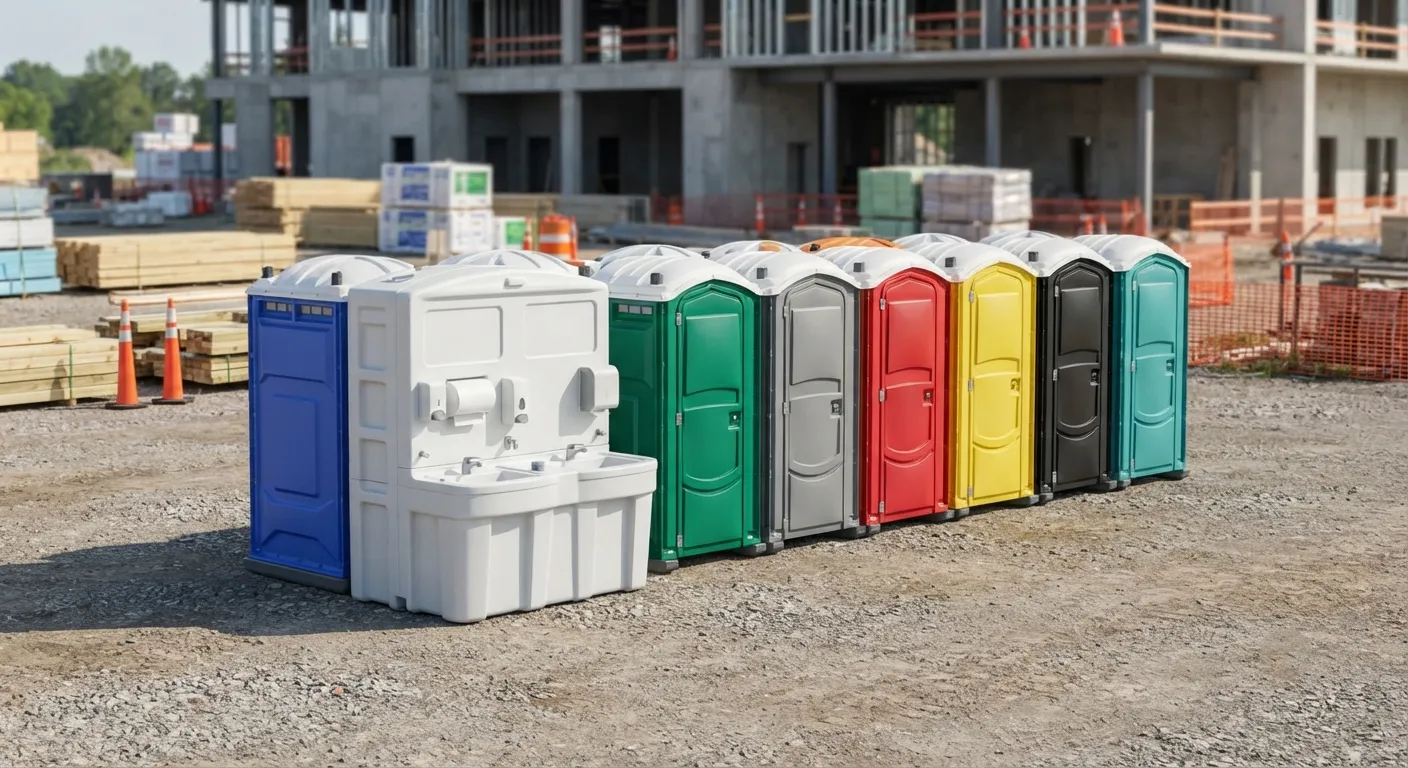
Standard construction debris like drywall, lumber, brick and clean concrete rubble is fine in any size. Roofing shingles are usually allowed but add weight fast, so match your container to the job using dumpster sizes and dimensions before ordering. A 20 yard dumpster running around 91 to 500 dollars a month handles most home renovation debris, while a 40 yard suits full teardown jobs. Check dumpster rental cost for the full weekly and monthly bands before booking, and confirm your dumpster permit requirements if the container sits in a street or right of way in College Station. Delivery needs about 60 feet of straight clearance behind the truck, so measure your driveway or lot access ahead of drop-off day. If your project also needs sanitation, pair the dumpster with a portable toilet rental or a standard porta potty rental sized to your crew count under OSHA 1926.51(c).
Where do banned items actually need to go?
Paint, batteries and chemicals belong at a household hazardous waste facility, not curbside. Tires typically go back to a tire retailer or a dedicated recycling drop point. Appliances with refrigerant need a certified technician to reclaim the coolant before scrapping. Asbestos-containing material requires a licensed abatement contractor working under state guidelines, full documentation included. If you're clearing out a rental property or estate in College Station and you're not sure what qualifies as hazardous, call before the dumpster arrives rather than after it's full. For ongoing sanitation needs at the same job site, a handwashing station rental or portable sink rental keeps crews compliant with 29 CFR 1910.141(d)(2), which requires soap and towels or a hand-drying device, not sanitizer alone. Sites out near Lake Bryan, about 16.0 miles northwest, or Tunis, 18.0 miles west, follow the same disposal separation rules as anything inside College Station proper.
Can I put a mattress in a roll-off dumpster?
Usually yes, but check first. Some haulers charge extra since mattresses take up volume without adding weight, and box springs can snag other debris during compaction. Ask your driver when you book your roll-off dumpster rental so there's no surprise at pickup.
Does yard waste count as banned material?
No, yard waste is typically fine in a construction dumpster, but check load limits. Wet leaves and grass clippings add weight quickly. If you're clearing a large lot, a 40 yard dumpster rental handles bulk debris better than a smaller container.
Are propane tanks allowed in a dumpster?
No. Propane tanks and other pressurized cylinders are banned everywhere because of explosion risk during compaction and transport. Return empty tanks to a retailer with an exchange program instead of tossing them in with construction debris.
What happens if a banned item is found in my dumpster?
The load can be rejected at the landfill, and you may be charged a redelivery or sorting fee. It's cheaper to sort before pickup. Review what cannot go in a dumpster with your crew at the start of the job, not the end.
Can I dispose of old paint cans in a roll-off?
No, not if there's liquid paint inside. Dried, empty cans are often acceptable, but wet paint counts as hazardous waste in most Texas jurisdictions. Let cans dry out completely with the lids off before considering them for disposal.
Next step
Get a delivery date
Tell us the address, the dates and the headcount. We size the order and confirm the route.