
What Does Grease Trap Pumping Cost?
Cost depends on tank size, grease load, and how far our truck has to travel. A single service call for septic pumping service or grease work typically lands inside the septic day-rate band shown below, though heavier commercial traps run higher because of disposal volume. Restaurants near Bryan, about 11.0 miles northwest of College Station, pay comparable rates once travel time is factored in, and the same crews cover porta potty rental in Bryan, TX on the same routes.
| service | duration | low | typical | high |
|---|---|---|---|---|
| septic | day | 150 | 250 | 300 |
| septic | weekend | 50 | 100 | 150 |
If your kitchen also needs grease trap pumping paired with general septic tank cleaning, bundling both on one visit usually costs less than two separate trips. Ask about emergency septic service pricing if your trap backs up outside a scheduled run. We also handle septic tank pumping cost questions for households on the same properties as commercial kitchens, since a lot of College Station sites run both systems side by side, and many of those same properties also ask about dumpster rental cost when a remodel is underway.
How Often Should a Grease Trap Be Pumped?
There's no single answer for every kitchen. A high-volume fryer station in downtown College Station fills faster than a small cafe near Snook, 15.9 miles southwest, covered under porta potty rental in Snook, TX, so we set the interval by grease load, not the calendar. Once we've measured a few cycles, most commercial accounts settle into a fixed rotation, similar to how how often to pump a septic tank works for residential systems, where a 1,000 gallon tank typically gets pumped every 3 to 5 years depending on household size. Grease traps move faster because cooking oil accumulates daily, not seasonally, a distinction we also cover on the septic pumping service page for property owners weighing both systems.
Waiting too long causes backups into floor drains, slow sink lines, and smells that reach the dining room. Watch for the same warning signs described on our septic tank warning signs page: gurgling drains, standing water, and a rise in grease at the surface. If you're not sure whether your trap needs service now or next month, we'll check the depth on-site before quoting anything, the same way we'd walk a site for how many porta potties do I need before a construction bid.
Can I Get Emergency Grease Trap Pumping Near Me?
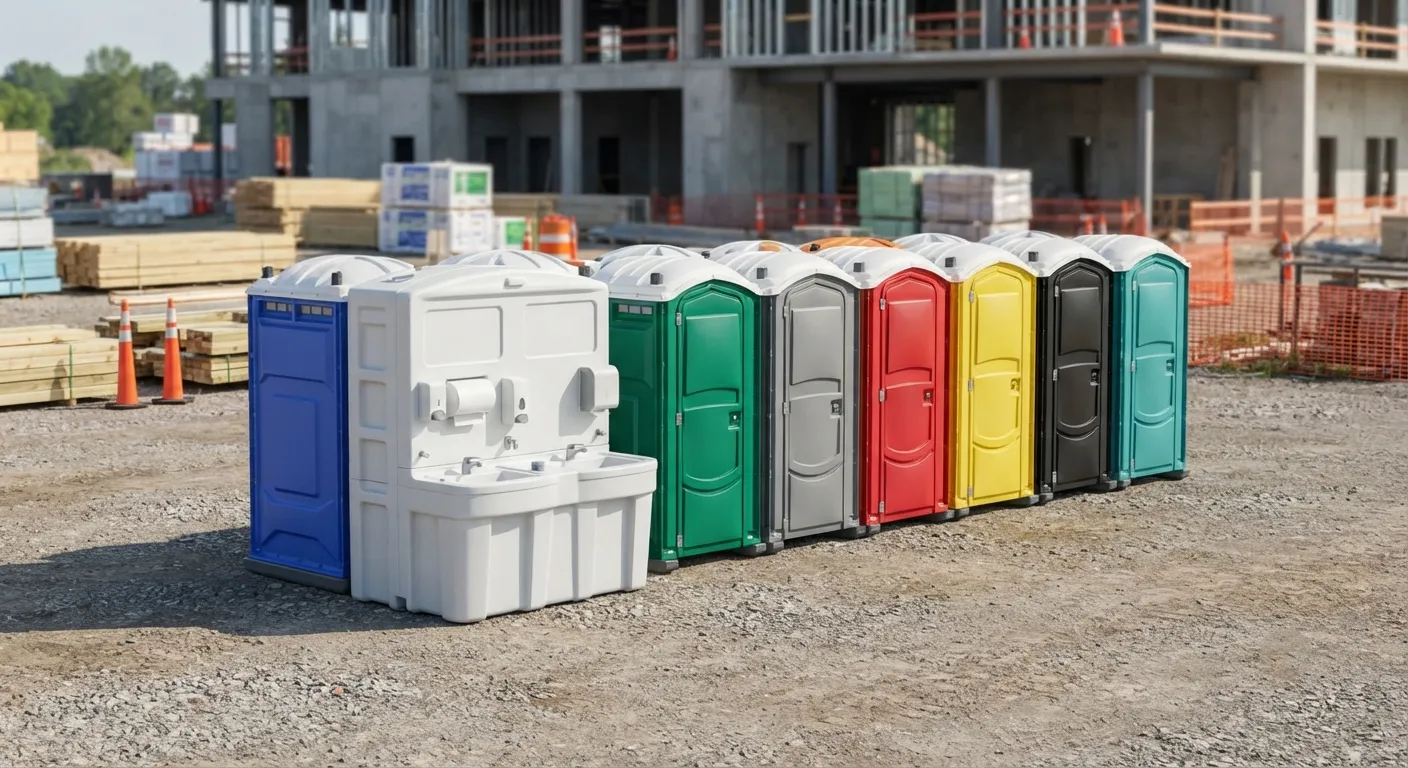
Yes. A trap that overflows during dinner service can't wait for a routine slot, so we run emergency grease trap pumping alongside our emergency porta potty rental and emergency septic service lines. Kitchens as far out as Tunis, 18.0 miles west, covered under porta potty rental in Tunis, TX, and Clay, 25.1 miles south, covered under porta potty rental in Clay, TX, still fall inside our response radius, and you can check the full list on our service areas page.
Commercial kitchens fall under general sanitation expectations similar to what OSHA lays out for workplaces overall under 1926.51(c)(1), which sets facility ratios by employee count, though a grease trap itself is a plumbing fixture rather than a toilet count issue. What matters on the ground is disposal compliance and keeping the trap from overflowing into a public sewer line, similar to how dumpster permit requirements and porta potty permit requirements get sorted out before a job starts. If your property also runs portable restrooms during a remodel, check our construction site services page for how the two overlap, the home renovation porta potty page if you're mid-buildout, or roll-off dumpster rental if the kitchen tear-out is generating debris too.
How much does grease trap pumping cost per visit?
Most commercial visits fall near the septic day-rate range, roughly 150 to 300 dollars, though heavier traps with more grease volume can run higher. Bundling grease pumping with septic tank cleaning on the same trip often reduces the combined cost versus two separate calls.
How do I know if my grease trap needs pumping now?
Check the fat, oil, and grease layer against the liquid depth. Once it reaches 25 percent, pumping is due. Slow drains, odor near floor drains, or grease surfacing in the trap are earlier signs worth calling about before it overflows.
Is grease trap pumping different from septic pumping?
Yes, though we run both. Grease traps handle kitchen effluent and fill faster; septic tanks handle wastewater and get pumped every 3 to 5 years typically. See holding tank rental if you need interim capacity during either service.
Can grease trap pumping be scheduled around business hours?
Yes. Most restaurants prefer early morning or late night slots to avoid disrupting service. We coordinate around your kitchen's schedule and can set a recurring rotation once we know your grease load, much like the routines we build for monthly porta potty rental customers.
Does College Station require a permit for grease trap disposal?
Permit and disposal rules vary by property and connection type, so this needs confirming directly with the city before your first service. We can point you toward the right local contact once we're on-site, and if you want the general background first, our frequently asked questions page and request a quote form are good starting points.
Next step
Get a delivery date
Tell us the address, the dates and the headcount. We size the order and confirm the route.