
How Much Does Septic Tank Pumping Cost?
A typical residential pump-out in College Station falls between 150 and 300 dollars for the visit, and that number covers most 1,000 gallon tanks on a normal service schedule. Tanks that have gone years past due, or that have solids packed in deep, take longer to clean and cost more toward the top of that range. Emergency calls run different money because someone has to reroute a truck same day. If your tank is backing up right now, emergency septic service gets a truck out fast rather than waiting for a scheduled slot. Homeowners who have never had the tank touched, or who bought a house and do not know its history, should ask about septic tank cleaning as a first step, since a first-time pump often turns up sludge levels nobody expected. If the toilets are draining slow or the yard smells off near the drain field, check septic tank warning signs before it turns into a weekend emergency.
| service | duration | low | typical | high |
|---|---|---|---|---|
| septic pumping | day | 150 | 250 | 300 |
| septic pumping | weekend | 50 | 100 | 150 |
What Drives the Price Up or Down?
Tank size is the biggest factor. A standard 1,000 gallon residential tank pumped on a normal cycle sits near the middle of the day-rate band, while bigger tanks or ones with heavy solid buildup push toward the high end. How long since the last pump matters just as much as size. A tank that has sat 3 to 5 years, which is the typical interval driven by tank size and household use, usually cleans out easier than one nobody has touched in a decade. Access matters too. If the truck has a long walk from the street, or the lid is buried under landscaping, that adds time on site. Homes around College Station with older systems sometimes have tanks with no visible riser at all, which slows the job before pumping even starts. If you are not sure when yours was last serviced, how often to pump a septic tank walks through the math on tank size versus household size. Restaurants and commercial kitchens have a different problem entirely, since fats and oils build up fast; a grease interceptor gets pumped once contents reach 25 percent of the liquid depth, and grease trap pumping covers that separately from residential tanks.
How Often Should I Pump My Septic Tank?
Most residential septic tanks in College Station need pumping every 3 to 5 years, with the exact interval set by tank size and how many people live in the house. A larger household on a smaller tank will need service closer to the 3 year mark, while a small household on a properly sized 1,000 gallon tank can often stretch toward 5. Skipping pump-outs does not save money. Solids that are never removed migrate into the drain field, and once that happens the repair bill is a different category entirely from a routine cleaning. If you are building new or replacing a failing system, a holding tank rental can bridge the gap while the septic system is down. For anyone weighing a temporary fix against a permanent one, it helps to understand what "average cost of septic tank pumping" actually buys: one visit, one tank, one truck, not a system replacement.

Do I Need a Permit to Have My Septic Tank Pumped?
Routine septic pumping itself does not typically require a homeowner permit, since it is maintenance rather than construction, but anything involving new tank installation, drain field work, or system repair should be confirmed with the City of College Station before work starts. Pumping trucks also need clear access, similar to how a roll-off delivery needs roughly 60 feet of straight clearance behind the truck to maneuver safely on a property. If your septic work overlaps with a larger renovation project, you may also be dealing with debris removal at the same time, and a roll-off dumpster rental or a look at dumpster permit requirements covers that side of the job. Construction sites doing groundwork near a septic system should also keep worker sanitation compliant under OSHA 1926.51(c), which sets toilet ratios by crew size, separate from the septic system itself.
Septic Tank Cleaning Price vs. Portable Sanitation: What Costs More?
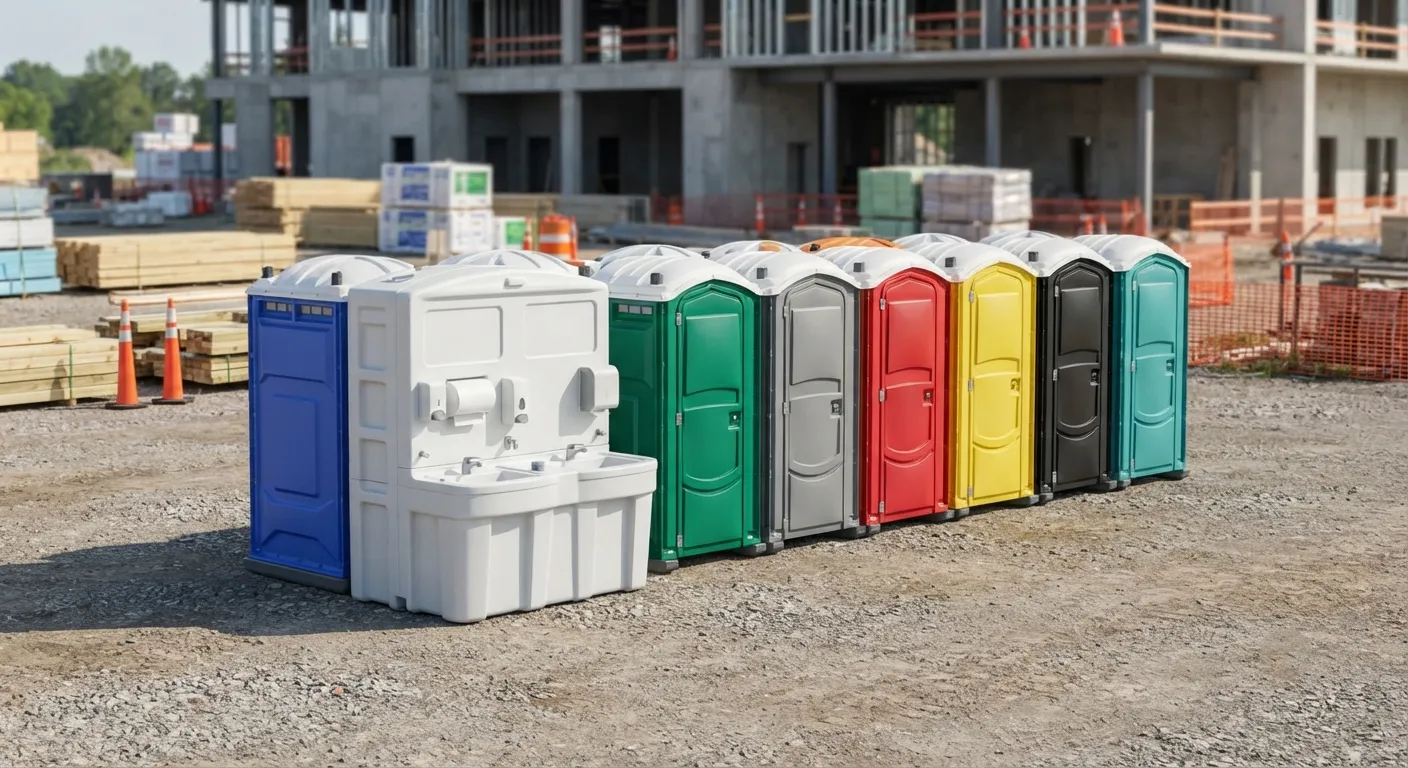
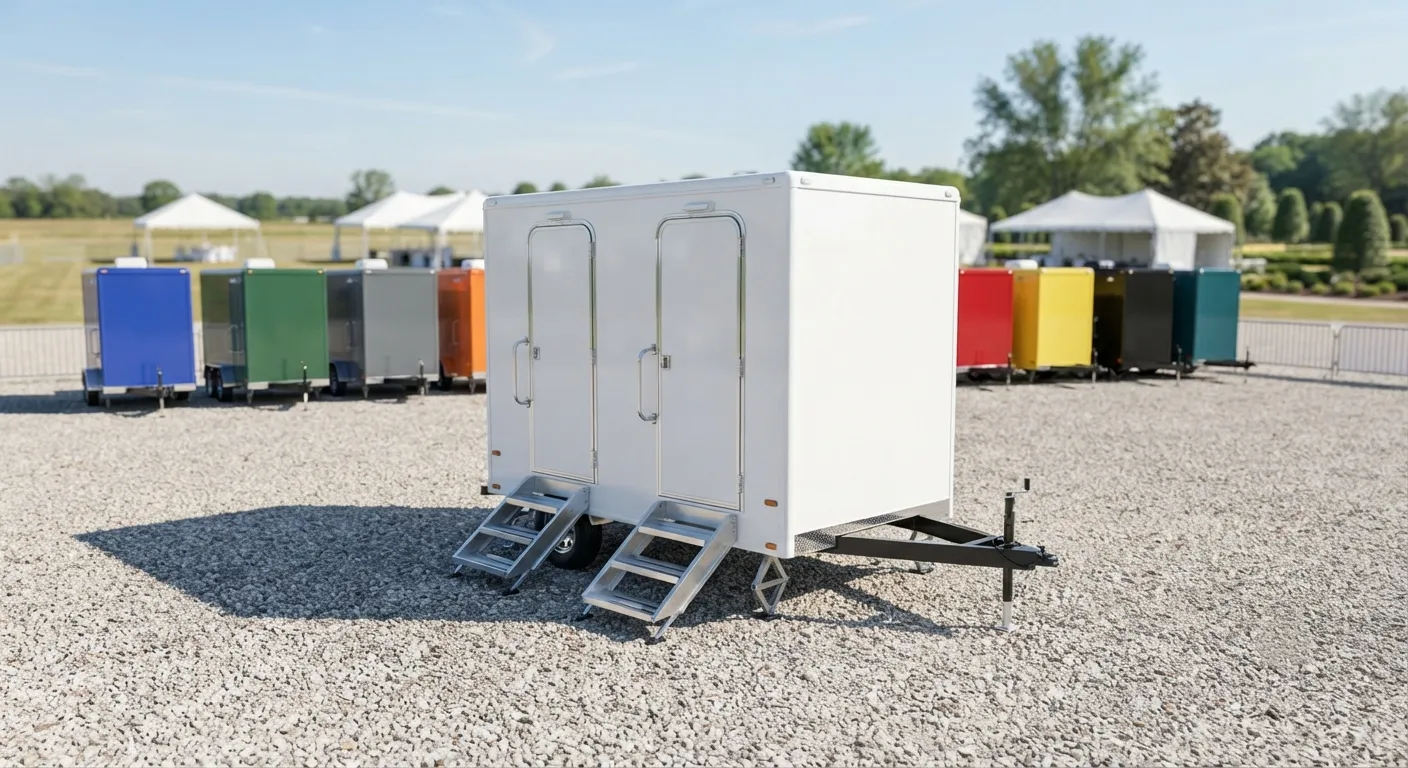
Septic pumping and portable restroom rental solve different problems, so comparing them only matters if your property is without a working system for a stretch. A day-rate standard portable toilet runs 100 to 350 dollars a day, well under the range for a full septic pump-out, but it does not fix the tank. If your system is down for repair and the household needs a working toilet in the meantime, standard porta potty rental or portable toilet rental covers the gap. For a longer repair window, monthly porta potty rental is usually the better deal than daily rates stacked up over weeks. Homeowners doing a full septic replacement alongside a home remodel often end up needing both services at once, and home renovation porta potty options exist specifically for that overlap. Anyone comparing overall numbers before calling should start with septic tank pumping cost side by side with porta potty rental cost to see where the money actually goes.
How much does septic tank pumping cost for a 1,000 gallon tank?
A 1,000 gallon tank on a normal 3 to 5 year cycle typically falls in the 150 to 300 dollar day-rate range in College Station. Heavier buildup or a first-time cleaning after years of neglect pushes toward the higher end of that band.
Is septic tank pumping cheaper on weekends?
No. Weekend septic service in College Station runs 50 to 150 dollars as a distinct rate structure, separate from the weekday day-rate band, and weekend slots can be harder to schedule since fewer crews work those days.
How do I know if my septic tank needs pumping now?
Slow drains, gurgling pipes, standing water near the drain field, or sewage odor in the yard are the classic signs. Septic tank warning signs covers the full list, and catching it early keeps the job a routine pump instead of an emergency call.
Does a grease trap cost the same as a septic tank to pump?
No, they are priced and scheduled differently. Grease interceptors get pumped once they reach 25 percent fats, oils and solids by depth, often on a tighter schedule than a residential septic tank, and grease trap pumping explains the difference in detail.
What happens if I skip a scheduled septic pumping?
Skipped pump-outs let solids build up until they migrate into the drain field, which turns a routine 150 to 300 dollar service call into a drain field repair, a much larger and more disruptive project than pumping ever is.
Next step
Get a delivery date
Tell us the address, the dates and the headcount. We size the order and confirm the route.