
How Often Does a Septic Tank Need Pumping?
The honest answer: it depends on tank size and how many people are flushing into it every day. A 1,000 gallon tank serving a typical household gets pumped every 3 to 5 years, and that range holds up whether you're in College Station proper or out toward Snook, 15.9 miles southwest. Bigger households push that interval shorter. A grease interceptor runs on a different clock entirely, needing service once fats, oils, grease and solids build up to 25 percent of the liquid depth. If you're not sure which bucket your setup falls into, our septic tank cleaning page walks through both, and the how often to pump a septic tank guide breaks the math down further. Farms and rural properties near Bryan, 11 miles northwest, often need shorter intervals just from higher water volume. Waiting too long doesn't save money. It just moves the cost from a pump truck to a repair crew.
What Are the Warning Signs I Need Pumping Now?
Slow drains, gurgling pipes and standing water near the drain field are the big three. Sewage backing up into a tub or shower is the sign nobody misses, and by then it's not really optional anymore. A lingering sewage smell around the yard, especially after rain, usually means the tank is closer to full than anyone realized. Grass that's suspiciously green and lush over the drain field can mean it's leaching more than it should. Our septic tank warning signs page covers the full list in more detail. If you're already seeing backup, don't wait for a scheduled slot. Call our emergency septic service line and we'll get a truck moving. Rural properties around Lake Bryan, 16 miles northwest, sometimes deal with slower response from smaller outfits. We keep trucks staged closer to College Station for exactly this reason.
What Does a Septic Pumping Service Include?
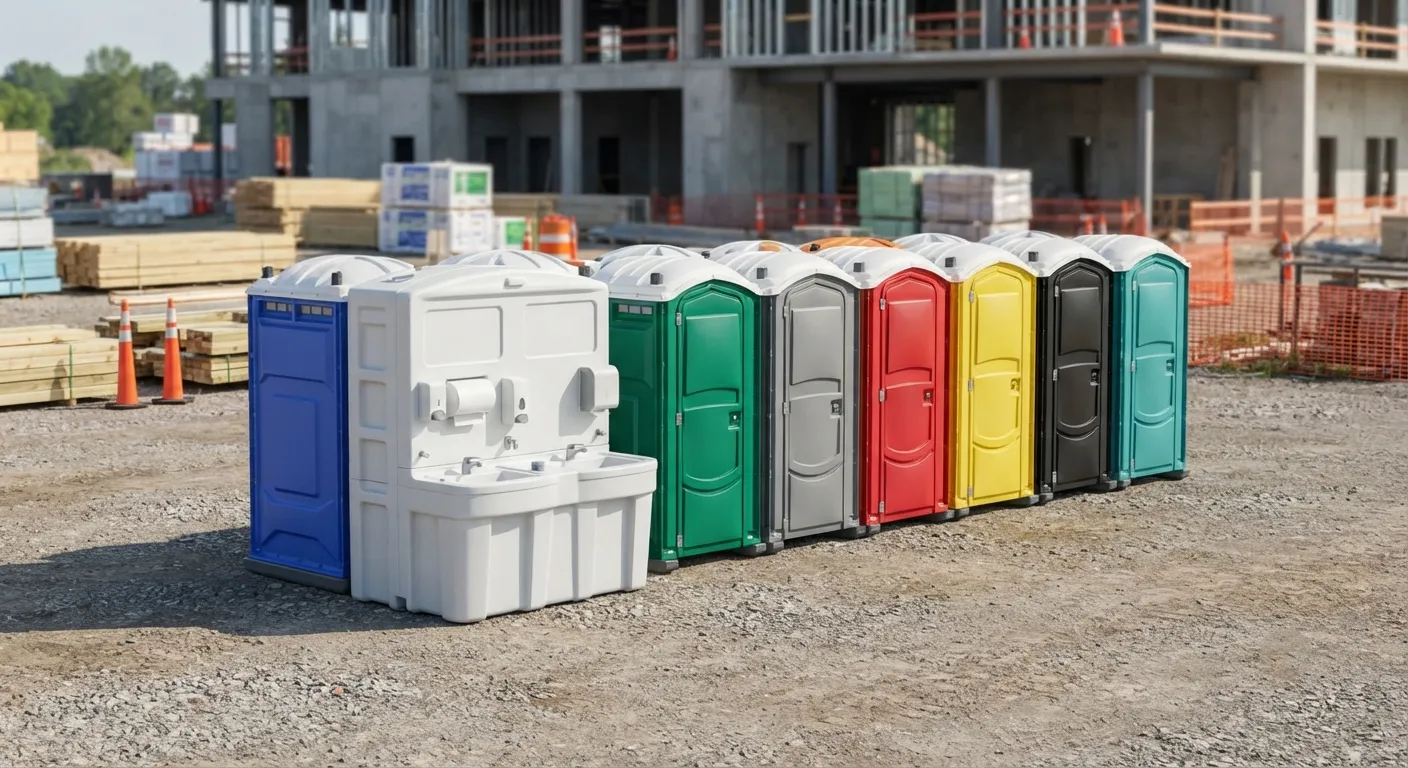
A real pumping visit is more than sticking a hose in the tank. We pump the tank, check the baffles, look at the inlet and outlet for blockages, and flag anything that looks like it's heading toward failure. We also check the drain field for pooling or soft spots while we're on site. If your property runs a holding tank instead of a conventional septic system, that's a different service call, and we cover it separately on our holding tank rental page. Commercial kitchens need grease trap pumping on their own schedule, tied to that 25 percent fats-oils-grease threshold, and we run that as a distinct line item; see grease trap pumping for specifics. For construction sites running portable facilities instead of a fixed system, sanitation obligations fall under a different standard entirely: OSHA 1926.51(c)(1) sets toilet counts by crew size, one facility for 20 workers or fewer, scaling up from there. That's a separate world from residential septic, but if your job site needs both, our construction site services page ties it together.

How Much Does Septic Tank Pumping Cost?
Pricing depends mostly on tank size and how far out the truck has to drive. Rural properties past Tunis, 18 miles west, or out near Clay, 25.1 miles south, may see a delivery or trip charge on top of the pumping itself.
| service | duration | low | typical | high |
|---|---|---|---|---|
| septic pumping | day | $150 | $250 | $300 |
| septic pumping | weekend | $50 | $100 | $150 |
A standard 1,000 gallon tank pumping falls in that day-rate range for most College Station homes. Weekend and after-hours calls run differently than a scheduled weekday appointment, so ask when you book. For a fuller cost breakdown by tank size and access difficulty, see septic tank pumping cost. If your property runs a holding tank setup instead, pricing shifts and the holding tank rental page has those numbers. Don't assume the cheapest quote on the phone matches what actually shows up on the invoice. Ask what's included before the truck rolls.
What If My Tank Is Not a Standard 1,000 Gallon System?
Tank sizes vary more than people expect, and pricing scales with capacity, access and how much waste has built up. A 1,500 or 2,000 gallon tank costs more to pump than a 1,000 gallon tank, simply because there's more volume to move and dispose of properly. Older properties around College Station sometimes have undersized tanks for the household they now serve, which is part of why some homes need pumping closer to every 3 years instead of every 5. If your tank has never been mapped or measured, we can locate it and check the size during the same visit. Commercial properties with grease interceptors follow the fats-oils-grease-and-solids threshold instead of a time-based schedule. Multi-unit residential properties sometimes run larger tanks entirely, and those need a different pump truck and hose length than a standard single-family job. If you're weighing a full septic system replacement versus another pumping cycle, that's a conversation worth having with us directly through request a quote rather than guessing over the phone.

Do You Offer Emergency Septic Pumping?
Yes. Backups don't wait for business hours, and neither do we. If sewage is backing up into the house or pooling in the yard, that's an emergency call, not a scheduled one. Our emergency septic service page has the details on response, but the short version is: call, describe what you're seeing, and we dispatch. Weekend emergency calls run on a different rate structure than a routine weekday pump-out, since it means pulling a truck and crew outside the normal schedule. Rural properties near Snook and Clay sometimes worry that a longer drive means a longer wait. We stage trucks to keep College Station and the towns around it inside a reasonable response window. If you're mid-renovation and dealing with both septic issues and a temporary toilet need, check our home renovation porta potty page, since a lot of renovation jobs end up needing both services at once.
How much does it cost to pump a 1,000 gallon septic tank?
A standard 1,000 gallon tank pumping typically runs in the day-rate range shown above, generally $150 to $300 depending on access and condition. Rural delivery distance can add a trip charge. See septic tank pumping cost for the full breakdown by tank size.
How do I know if my septic tank needs pumping?
Slow drains, gurgling pipes, sewage odor in the yard and unusually lush grass over the drain field are the clearest signs. A 1,000 gallon tank generally needs pumping every 3 to 5 years regardless of visible symptoms. Full details are on our septic tank warning signs page.
What's the difference between septic pumping and septic cleaning?
Pumping removes the liquid and solid waste from the tank. Cleaning goes further, checking baffles, inlet and outlet lines and the drain field condition. Our septic tank cleaning service includes both in a single visit.
Can I use a holding tank instead of a septic system?
Yes, for temporary situations like construction sites or events without sewer access. Holding tanks need more frequent pumping than a septic system since they store rather than treat waste. See holding tank rental for options and scheduling.
Do you serve areas outside College Station?
Yes. We run routes out to Bryan at 11 miles, Snook at 15.9 miles, Lake Bryan at 16 miles, Tunis at 18 miles and Clay at 25.1 miles. Check our service areas page for the complete list.
What happens if I wait too long between pumpings?
Waste backs up into the drain field, which can clog the leach lines permanently. That turns a routine pumping into a drain field repair or replacement, which costs far more. Sticking to the 3 to 5 year window on a 1,000 gallon tank avoids that outcome. If you're already seeing backup, call emergency septic service rather than waiting for a scheduled slot.
Next step
Get a delivery date
Tell us the address, the dates and the headcount. We size the order and confirm the route.