
How many restrooms does a race in College Station need?
Start with the crowd, not the course. A standard unit runs 44 by 48 inches on the ground and stands about 92 inches tall, so it fits on a curb strip, a parking lane or grass shoulder without blocking temporary fencing or a crowd control barrier. For races staged like a workplace under OSHA logic, 1926.51(c) sets the baseline most race directors use as a sanity check: one toilet facility for every 20 workers on a crew, scaling up from there. Race crowds are not construction crews, but the ratio still helps you avoid a line at mile 2 in College Station.
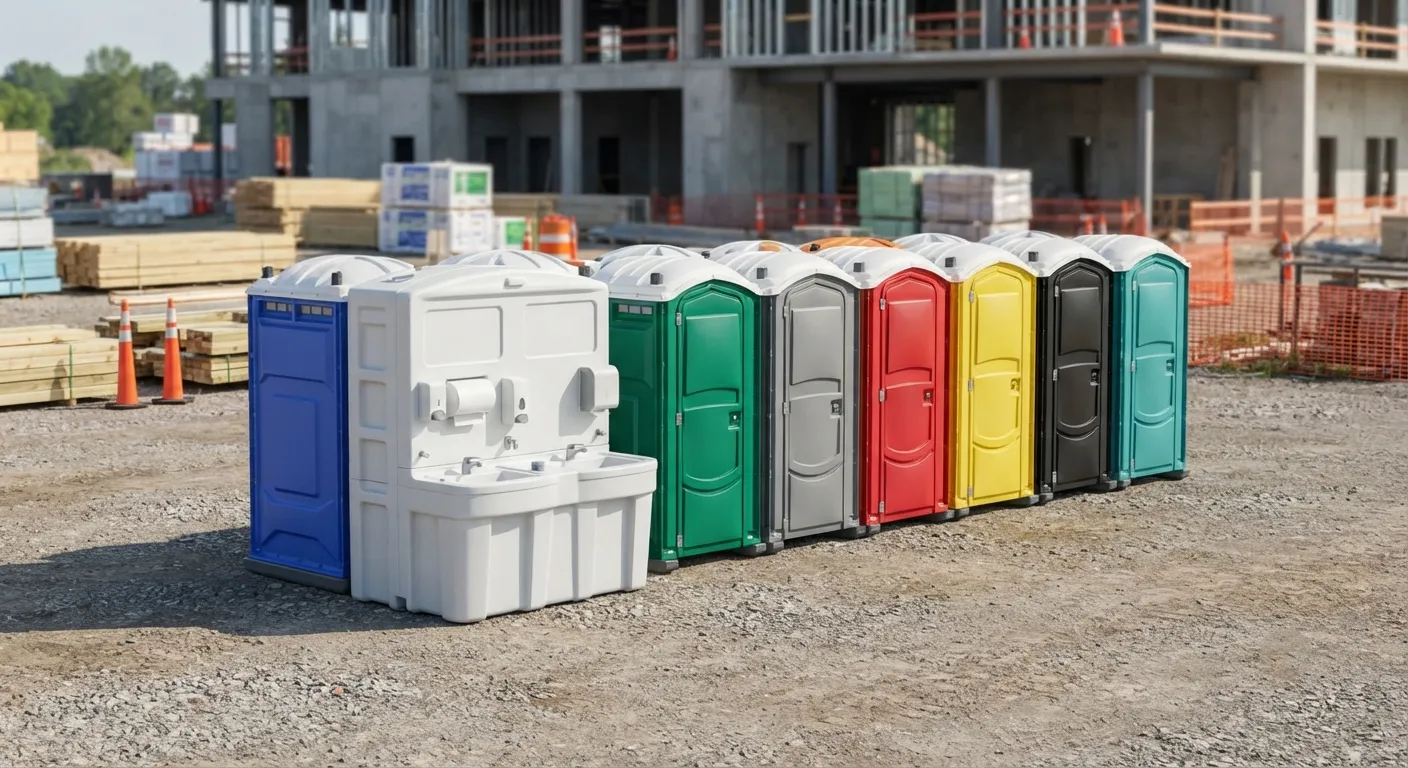
Course design matters too. Aid stations at 2 to 3 mile intervals are natural restroom points, and a runner should never walk far off route to find one. Standard porta potty rental covers most stations, while start and finish festival areas need bigger clusters, sometimes with a deluxe flushable porta potty for VIP or sponsor tents. ADA Standards section 213.2 requires that at least 5 percent of any cluster of single-user units be accessible, with a minimum of one no matter how small the cluster. That means even a compact 6-unit bank at your finish line needs an ADA accessible porta potty with a 60 inch turning circle per ADA 304.3.1 and a 32 inch clear door per ADA 404.2.3.
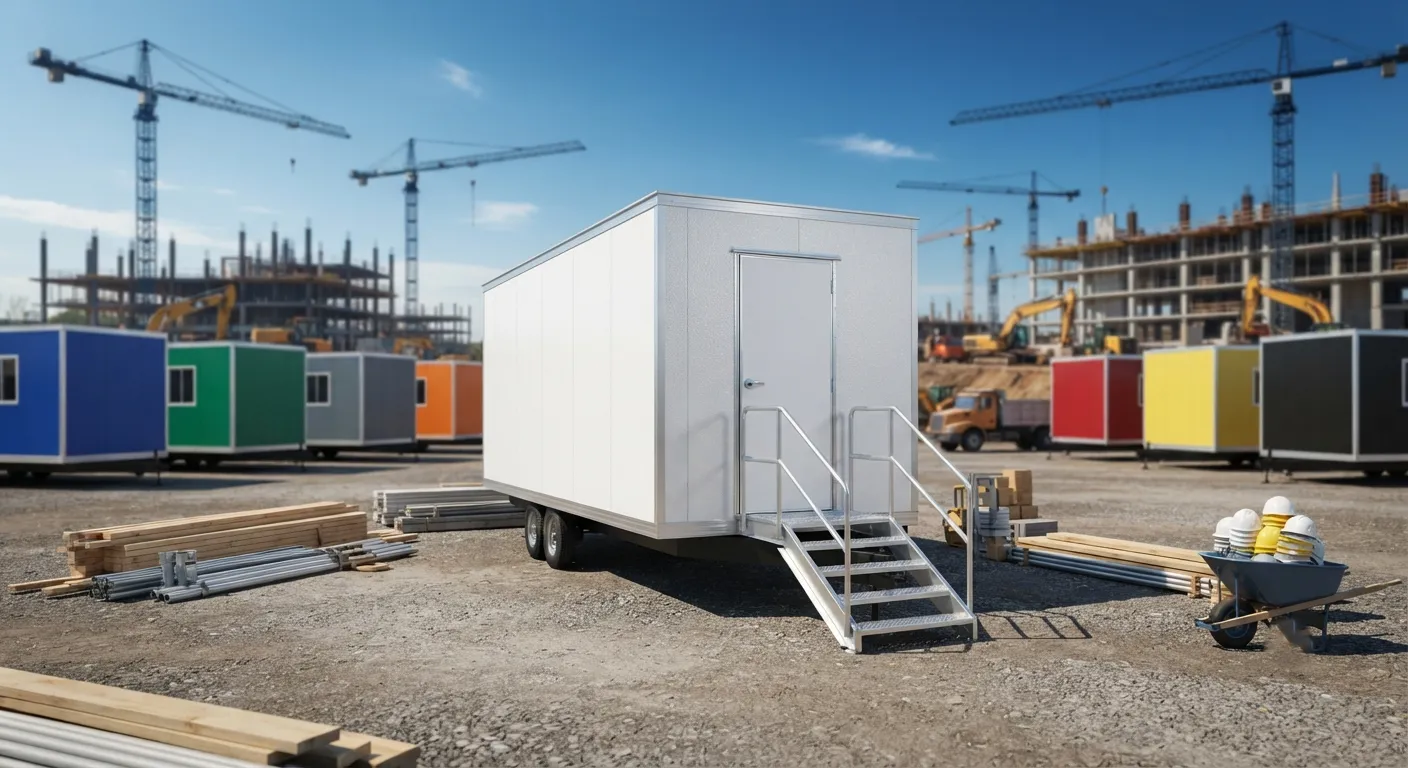
Big races in College Station sometimes stack restrooms with a restroom trailer rental at the finish, where the field funnels into one spot. A 4 stall restroom trailer handles heavier finish-line traffic better than scattered single units, and it reads cleaner in event photos. Timing matters: book the event restroom rental package early, because weekend and race-day demand fills fast across marathon and race restrooms planning in this market.
Where should restrooms go on the course, and how do you power them?
Placement follows sight lines and access, same as any porta potty placement guide would tell you. Put units where a course marshal can see them, not tucked behind a building where a runner loses time searching. Aid stations, water stops and the finish chute are the three non-negotiable clusters. A fourth cluster near packet pickup the morning of the race absorbs the pre-race rush before anyone even starts running.
Power comes up fast once you add lighting, timing equipment or a misting tent near the restroom bank. If your race runs early morning or into dusk, a light tower rental or a temporary power pole keeps the restroom area lit and safe. Bracing a temporary power pole matters more than people expect on a grass or gravel site: set the base plate on a level pad, guy the pole with at least three lines staked at wide angles, and check the guys again after the first hour of wind or crowd movement. A pole that leans under its own cable weight becomes a trip hazard right next to your restroom line, which defeats the purpose of putting it there. That is the short version of how to brace a temporary power pole on race day: level base, three staked guy lines, and a recheck once the crowd and wind settle in.
Delivery access matters as much as placement. A roll-off or restroom trailer needs about 60 feet of straight clearance behind the truck to back in safely, so scout your finish-line road or lot for that clearance before race morning. If College Station's course crosses public right-of-way, confirm placement with the city before you finalize the map. Nearby races in Bryan, 11.0 miles northwest, or courses that stretch toward Lake Bryan, 16.0 miles northwest, follow the same logic: restrooms cluster at access points, not just at the midpoint of the route.
Should we add handwashing and sanitizer stations along the route?
Yes, especially at aid stations where runners grab food or gels with bare hands. 29 CFR 1910.141(d)(2) requires soap and towels or a hand-drying device at washing facilities, not just sanitizer, so a handwashing station rental covers that standard better than a gel dispenser alone. A portable sink rental works well near food tents and finish-line refreshment tables. For pure runner convenience between stations, a hand sanitizer station rental is faster to deploy and cheaper to move.
Check the handwashing station requirements page if your race includes food vendors, since that raises the bar past what runners alone need. College Station races with expo tents or beer gardens after the finish should treat that zone like a small event site, with its own restroom and wash station count separate from the course.
How far in advance should we book race restrooms?
Book 4 to 6 weeks out for races over 500 runners, sooner for holiday weekends. Standard units run in the $125 to $400 weekend range depending on count and add-ons; trailers for race-day events run higher. Ask about porta potty rental cost specifics for your field size.
Do we need an ADA unit even for a small local race?
Yes. ADA Standards 213.2 requires at least one accessible unit per cluster regardless of cluster size, and any race open to the public should meet it. See ADA restroom requirements for details.
What size crew handles a 3,000-runner race?
Plan for a mixed fleet: several standard units at each aid station, a restroom trailer at the finish, and one ADA unit per cluster. Review how many porta potties do I need to size it exactly.
Can we rent restrooms for just the race weekend?
Yes, weekend rates apply and units get delivered the day before, picked up the day after. Check the temporary fence cost page too if you're penning the finish area.
Do portable toilets need daily cleaning during multi-day events?
Service intervals depend on user count; ANSI/PSAI Z4.3 sets a baseline of one visit per week for up to 10 users over 40 hours, and race weekends usually need more frequent service built into the quote.
Next step
Get a delivery date
Tell us the address, the dates and the headcount. We size the order and confirm the route.