
How Do Porta Potties Work?
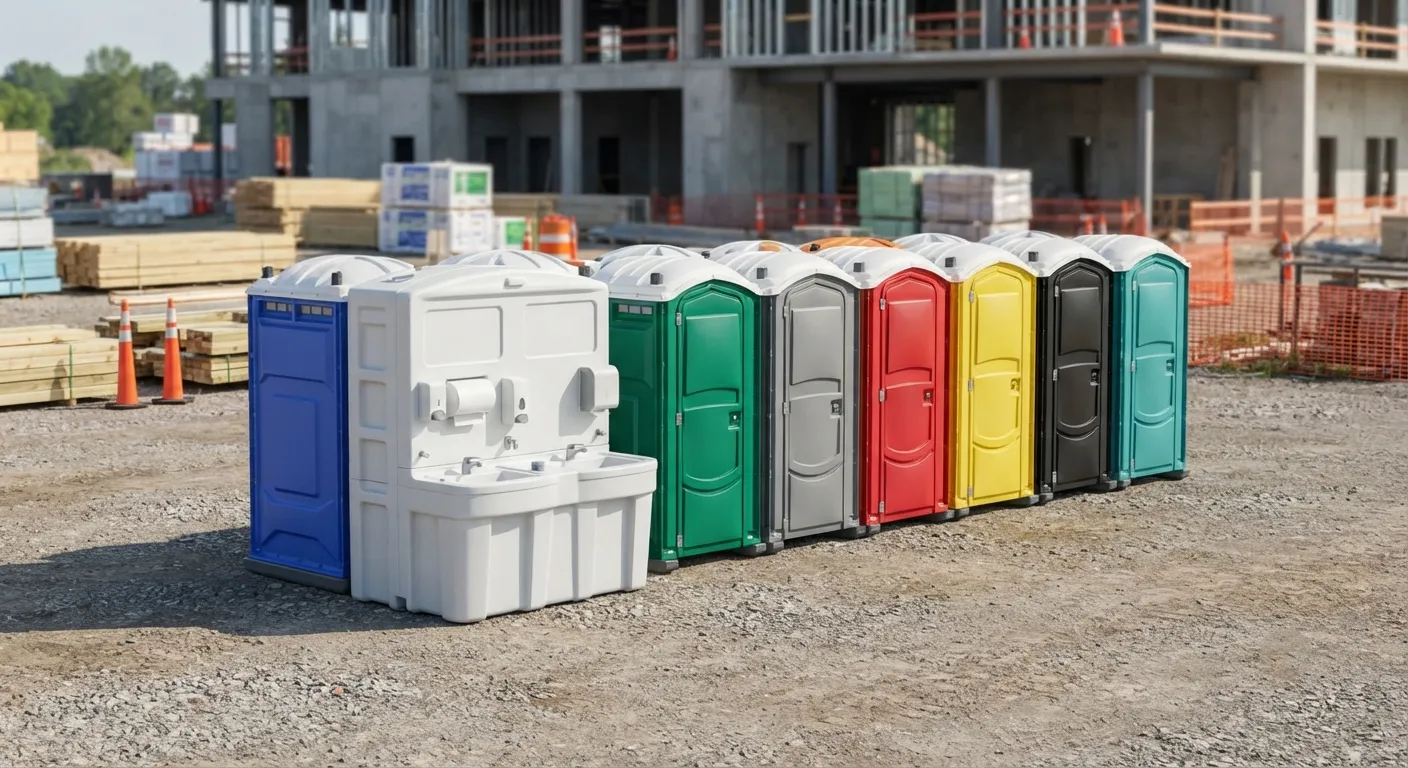
The setup is simpler than most people expect. Waste drops through the seat into a holding tank, and a blue chemical treatment in the tank breaks down solids and controls odor between services. There is no water and no plumbing hookup on a standard porta potty rental, which is exactly why it can go almost anywhere on a job site. A standard unit measures about 44 by 48 inches on the ground and stands roughly 92 inches tall, small enough to tuck against a fence line or a building without eating up usable space. The tank itself holds 60 to 70 gallons, enough capacity to get most sites through a standard weekly service interval before it needs pumping. ANSI/PSAI Z4.3 sets that baseline at one service visit per week for up to 10 users across a 40 hour work week, which is why crews on a construction site services job usually see the truck on the same day every week. If you are still figuring out counts for a crew, the how many porta potties do I need guide walks through it. For events instead of job sites, check the event restroom rental options, since usage patterns run differently than a five-day work week.
How Does a Portable Sink Work?
A portable sink is its own self-contained unit, not plumbed to anything on site. It pairs a fresh water reservoir with a foot pump or hand pump, a soap dispenser and a gray water tank underneath to catch runoff. Nothing gets hooked into a building water line, which is why a handwashing station rental can sit next to a portable toilet cluster or off by itself near a food area. 29 CFR 1910.141(d)(2) requires washing facilities to have soap and towels or a hand drying device, and hand sanitizer alone does not satisfy that. That is a separate standard from OSHA 1926.51(f)(1), which applies specifically where workers are applying paints, coatings, herbicides or insecticides. A crew painting or spraying needs washing facilities under that rule; a general framing crew does not trigger it the same way. If you just need sanitizer stations instead of full sinks, the hand sanitizer station rental page covers that option, and the portable sink rental page has the sink specs on their own.
How Do Flushable Porta Potties Work?
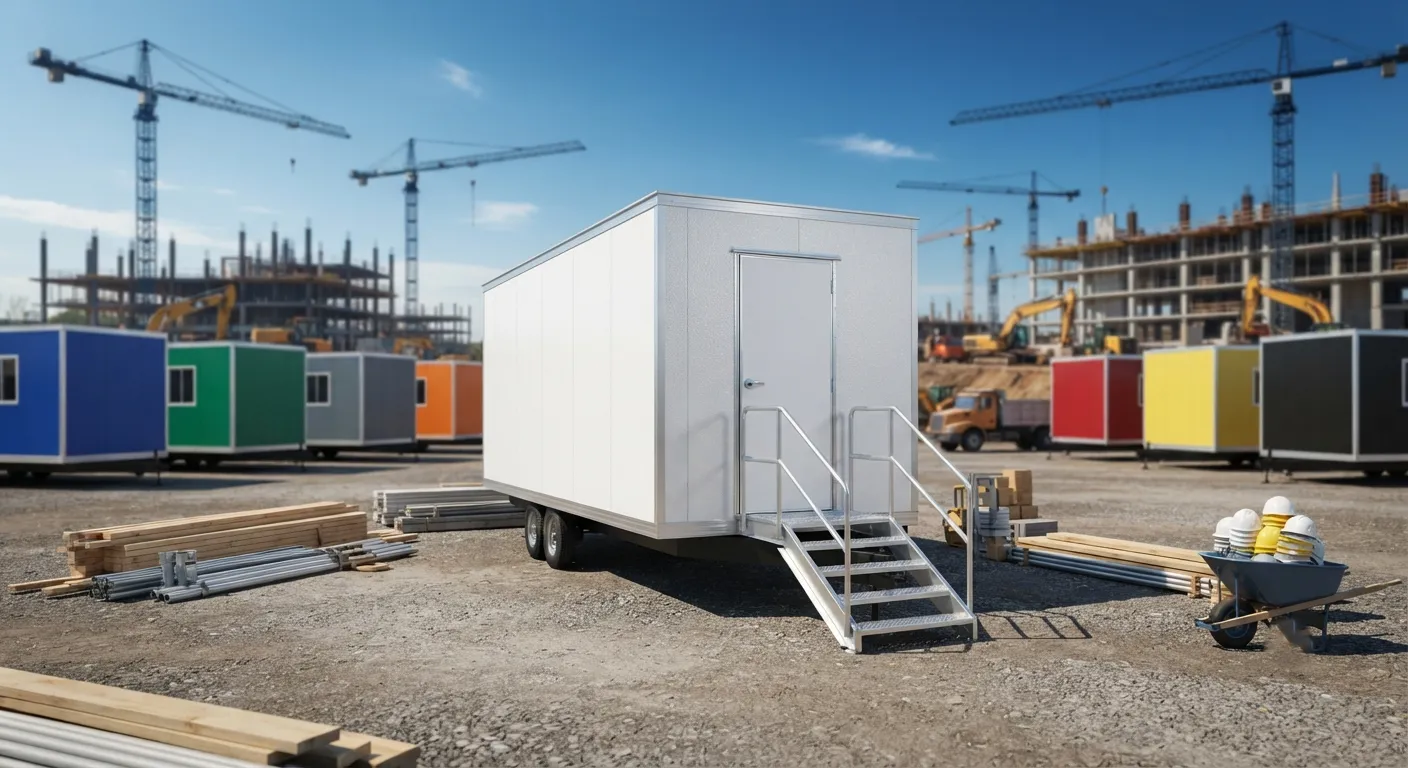
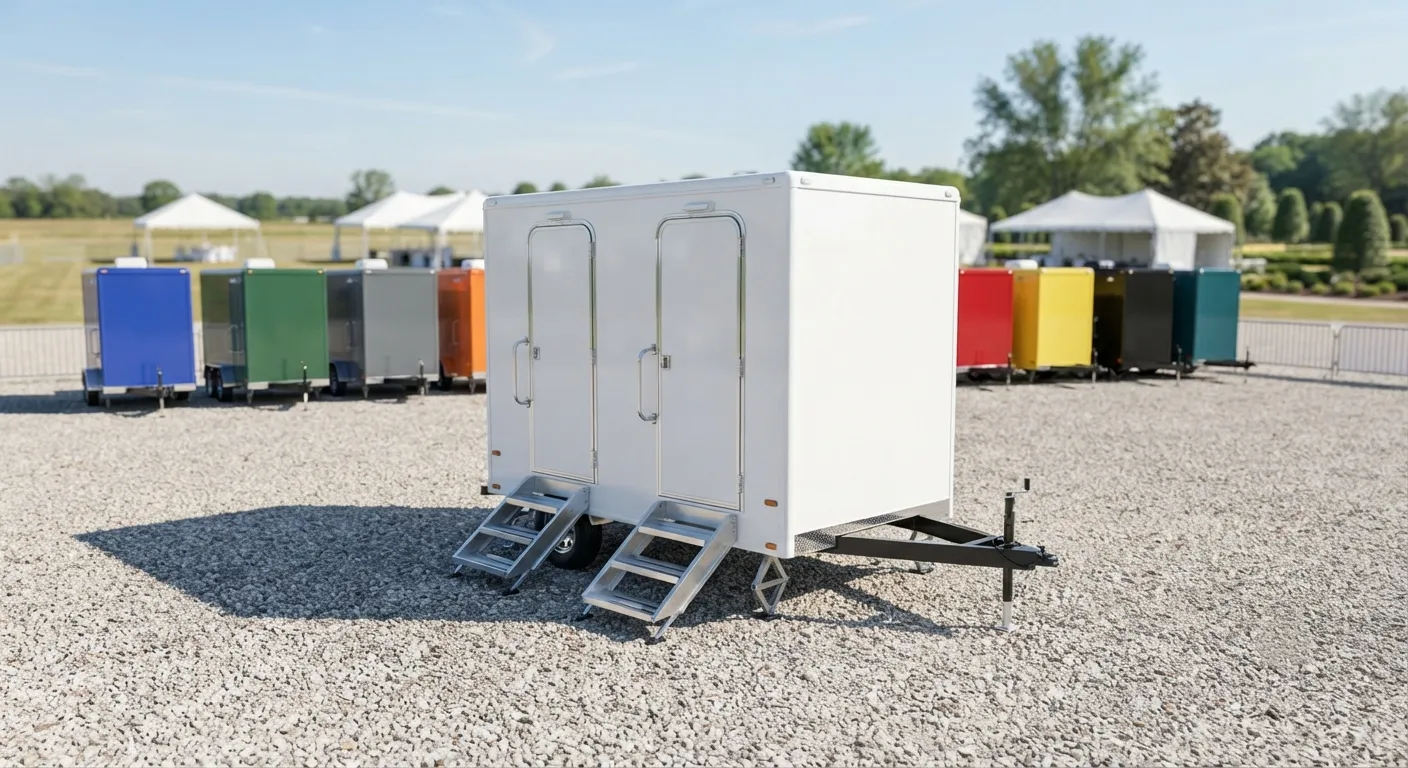
A deluxe flushable unit uses a small onboard freshwater tank and a hand pump or foot pump to push a rinse of water through the bowl after use, instead of relying on gravity and chemical breakdown alone. The waste still goes into a holding tank below, same as a standard unit, but the flush cuts down on residue and odor between visits. That is the core difference covered on the deluxe flushable porta potty page. For events near College Station where guests expect something closer to a real restroom, a lot of planners step up from a flushable single unit straight to a restroom trailer rental, which runs multiple stalls off a larger tank and often includes a sink built in. Weddings around College Station lean toward the trailer route for that reason; see wedding restroom rental for specifics. Camping trips ask a similar question in a different context, and the camping porta potty page addresses how a flushable unit holds up over a multi-day stay without hookups.
What Chemicals Go Into a Porta Potty?
The blue liquid in the tank is a deodorizing and digesting chemical, formulated to break down solids and mask odor between pump-outs, and it is a different product entirely from what goes into a septic system. Anyone searching "portable toilet chemicals near me" is usually looking for a service provider, not a retail product, since College Station Porta Pros supplies and maintains the chemical load as part of the rental. Septic tank cleaning chemicals are a separate category, meant for a fixed underground tank rather than a portable unit, and using the wrong product in either system can cause problems. A residential septic tank is typically pumped every 3 to 5 years depending on tank size and household size, which is a different rhythm entirely from the weekly service a construction site porta potty needs. If a septic system is backing up or slow to drain, the septic tank warning signs page is worth a look, and general upkeep questions belong on septic tank cleaning rather than the portable toilet side of things.
Frequently Asked Questions
Why does a porta potty on a job site smell stronger some days than others?
Heat, sun exposure and how many workers are cycling through all affect odor between services. A construction worker running to a porta potty at midday on a hot week will notice it more than on a mild morning. Standard service intervals under ANSI/PSAI Z4.3 keep it manageable.
Do porta potties need a water hookup to work?
No. Standard units use a sealed tank and chemical treatment instead of plumbing, which is why they can be placed almost anywhere on a site. Flushable and trailer units carry their own onboard freshwater tank instead of tapping into a building line.
Are ADA porta potties built differently inside?
Yes, an ADA unit has more interior space and a wider door for wheelchair access. ADA Standards section 404.2.3 calls for a 32 inch minimum clear door opening, and section 304.3.1 requires a 60 inch turning circle inside. Details are on the ADA accessible porta potty page.
How often does a standard unit get pumped out?
Weekly is the standard baseline under ANSI/PSAI Z4.3 for typical construction-site usage. High-traffic events or larger crews often need more frequent service, which College Station Porta Pros schedules based on headcount and site conditions.
Can I rent just one porta potty for a small renovation job?
Yes, single-unit rentals are common for smaller crews and short jobs. The home renovation porta potty page covers sizing for a one or two person crew working around College Station.
Next step
Get a delivery date
Tell us the address, the dates and the headcount. We size the order and confirm the route.