
Do porta potties smell if they're serviced on time?
Not really, and that's the honest answer. The standard tank holds 60 to 70 gallons, and deodorizing chemical in that tank is doing most of the odor work between visits, breaking down waste and knocking back the ammonia smell that builds up in standing water. College Station renters running a single unit for a weekend event usually don't smell anything if it's fresh out for delivery. Problems start when a unit gets pushed past its service window, or when too many people use one toilet and the tank fills faster than planned. That's a placement and count issue more than a hardware issue. Our porta potty placement guide covers sun exposure and airflow, both of which matter more than people expect. A unit baking in direct sun all day in a College Station summer will smell sooner than one set in shade, even on the same service schedule. If you're not sure how many units your crew or your guest count needs, the how many porta potties do I need guide walks through the math using OSHA 1926.51(c) worker ratios.
What causes a porta potty to smell?
Three things, mostly: overdue service, overuse relative to tank size, and heat. A standard unit is built with a 60 to 70 gallon holding tank, and once that tank gets close to full, odor control chemical gets diluted and stops doing its job. That's why event planners renting for a wedding or festival in College Station should size up rather than guess low. Overuse compounds fast at outdoor events; a unit rated for moderate daily use at a construction site handles a very different load than one serving a few hundred people at a festival restroom rental setup. Heat is the third factor, and it's unavoidable here. Anyone booking for July or August should ask about service frequency up front rather than after the smell shows up. Some renters solve the odor problem entirely by upgrading. A deluxe flushable porta potty uses a flush mechanism and fresh water rinse that cuts odor noticeably compared to a standard unit, and it's a popular swap for weddings booked through our wedding restroom rental page.
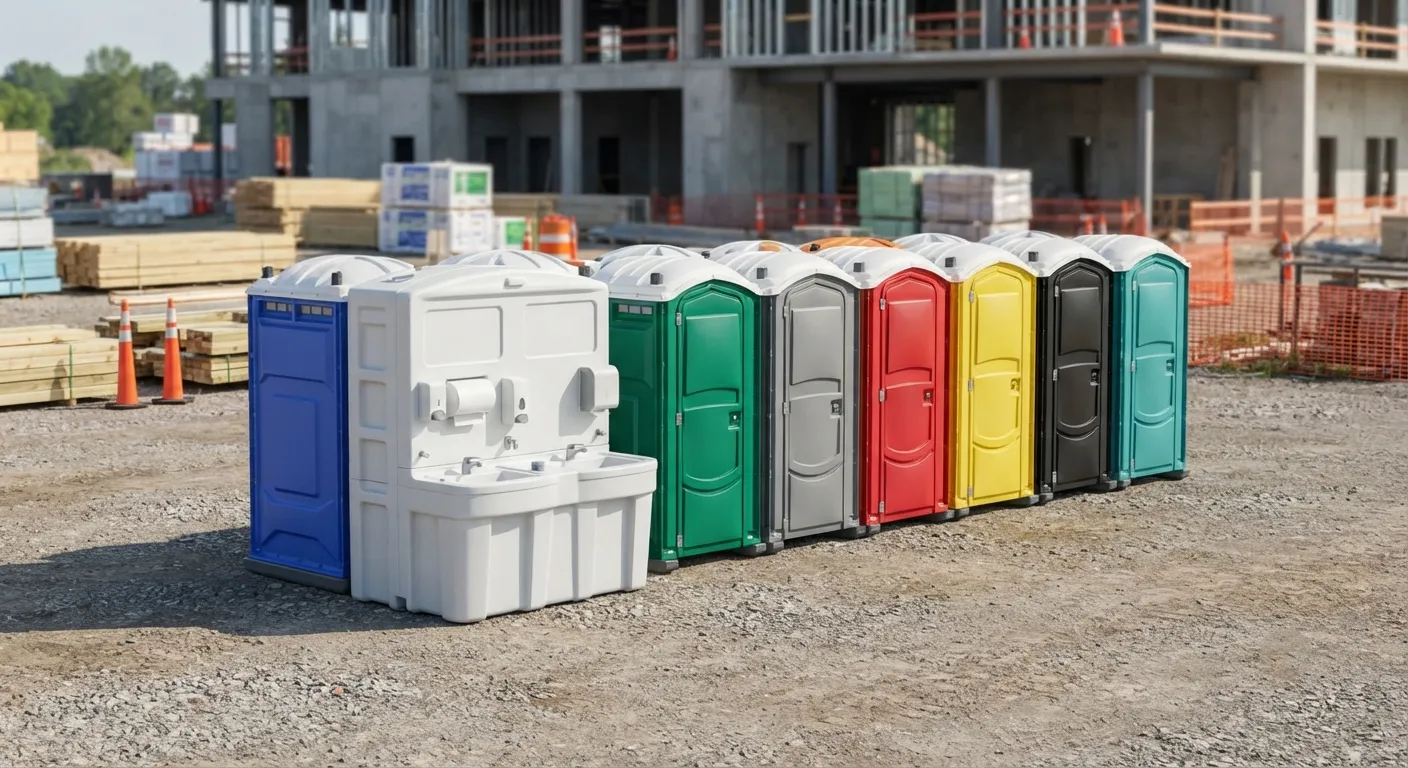
Does a standard unit smell more than a trailer?
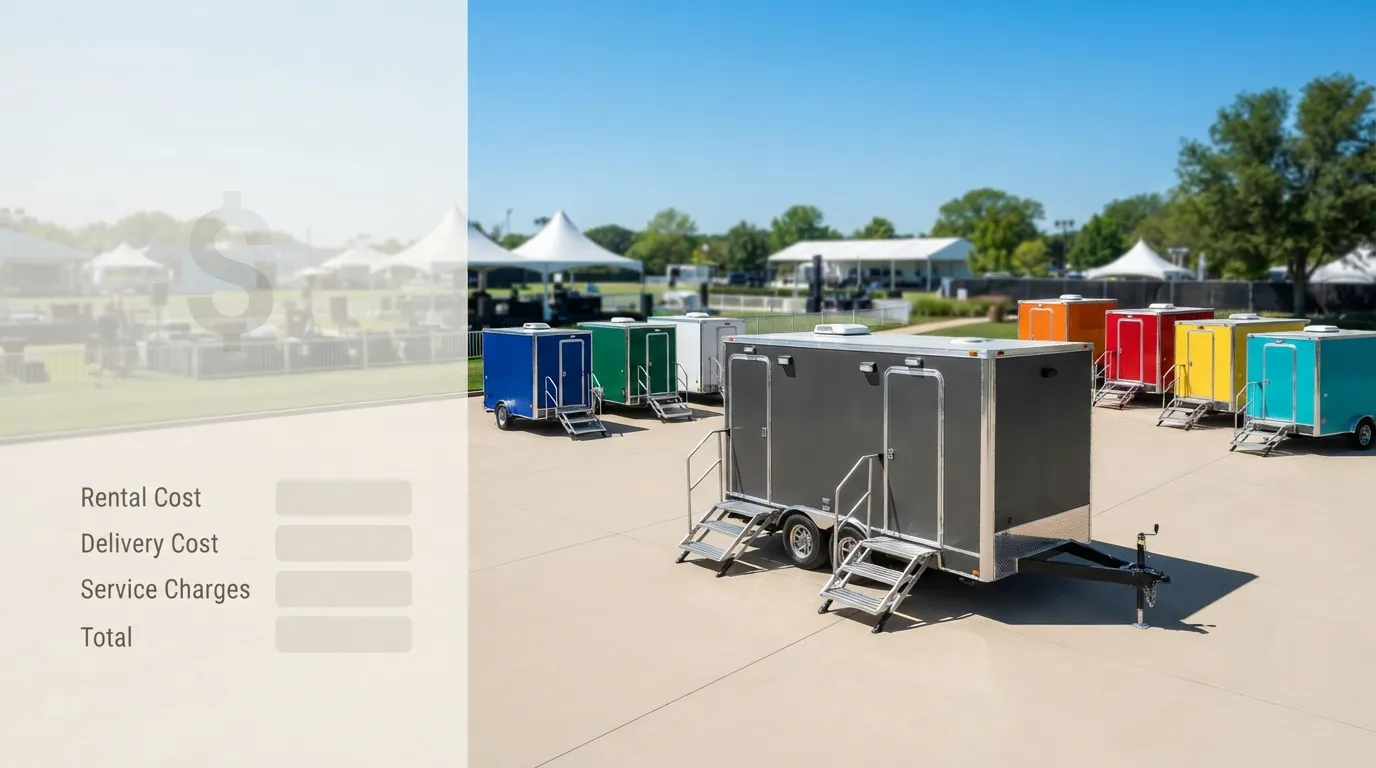
Generally yes, because a standard portable toilet is a sealed tank with no plumbing, while a restroom trailer rental hooks up to fresh water and often a sewer connection or larger holding system. A 4 stall restroom trailer or 8 stall restroom trailer flushes like a home bathroom and vents differently, so odor buildup is much slower even under heavy event use. That's part of why trailers cost more.
| unit | duration | typical price |
|---|---|---|
| standard | day | $150 |
| deluxe | day | $300 |
| ada | day | $230 |
| trailer | day | $800 |
Those are typical figures pulled from measured rental data, not fixed quotes; full detail on what drives the range is on our porta potty rental cost page. For weekly comparisons, see porta potty rental per day or the monthly porta potty rental breakdown if you're staffing a longer job.
How does regular cleaning keep smell down?
Regular cleaning does more than pump the tank. Crews restock toilet paper, rinse interior surfaces, and refill the deodorizer, and that combination is what actually keeps a unit smelling neutral rather than just less full. Our how often are porta potties cleaned page details the visit cadence in plain terms. Handwashing matters too, separate from the toilet itself: 29 CFR 1910.141(d)(2) requires soap and towels or a hand-drying device at washing facilities, and hand sanitizer alone doesn't satisfy that standard. Pairing a unit with a proper handwashing station rental or a portable sink rental keeps the whole setup cleaner, which indirectly cuts odor complaints since fewer people are wiping hands on interior walls. Construction sites juggling OSHA 1926.51(c) toilet ratios alongside water requirements under OSHA 1926.51(a)(1) often bundle a sink with every few units rather than treating it as an afterthought; see construction site services for how that's typically laid out. Ag operations have their own rule: OSHA 1928.110 calls for field sanitation facilities within a quarter mile walk for hand-labor crews, which is relevant to anyone booking farm and agricultural restrooms around College Station.
Placement plays a role too. A unit on a slope collects runoff differently than one on level, stable ground, and ADA Standards section 302.1 calls for slip-resistant, stable surfaces on accessible routes, a spec worth keeping in mind even for standard placement. If you're planning an accessible setup, our ADA accessible porta potty page and the ADA restroom requirements guide cover clearance and turning space in more depth.
Will a porta potty smell in winter?
Cold weather actually helps, since bacteria that produce odor slow down in low temperatures. The bigger winter concern is freezing, not smell. Details on both are on our porta potty in winter page.
Does a hand sanitizer station replace a handwashing station?
No. Under 29 CFR 1910.141(d)(2), soap and a towel or drying device are required; sanitizer doesn't meet that standard on its own. See our hand sanitizer station rental page for where it fits as a supplement instead.
Can I request extra service visits if a unit smells?
Yes, most rentals in College Station allow added visits beyond the standard schedule. Ask when you book through request a quote so it's scheduled up front rather than added mid-event.
Do event porta potties smell worse than construction ones?
Not inherently, but usage spikes fast at events. A wedding or a concert restroom rental setup sees concentrated use over a few hours, which fills tanks quicker than a construction crew spread across a full day.
Is a septic issue different from a porta potty smell?
Yes, entirely separate systems. A septic tank is typically pumped every 3 to 5 years depending on size and household use; see septic tank warning signs if you're noticing odor at a fixed property instead.
Next step
Get a delivery date
Tell us the address, the dates and the headcount. We size the order and confirm the route.